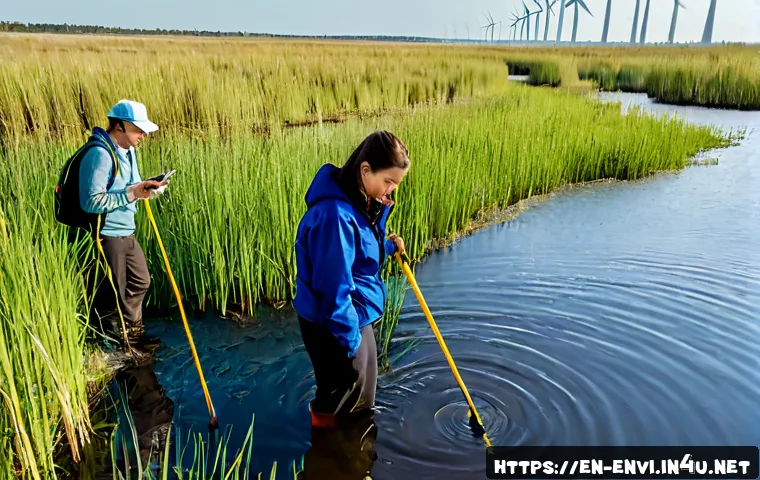
Environmental science is easiest to learn when you connect each theory to the question it helps answer: how ecosystems function, how populations change, how materials cycle, and how people manage shared resources.

Start with ecosystem relationships, energy and matter, carrying capacity, biodiversity, and sustainability trade-offs before moving into specialized topics.
For exam preparation, a structured textbook and concept map can cover the foundations. For workplace sustainability or policy analysis, practical exercises, current evidence, and clear explanations of assumptions are especially useful.
Courses, certifications, GIS training, and environmental data tools can add value when they match a specific project or career goal. No single model provides a complete answer, because local conditions, disturbance, and uncertainty matter.
The best learning option depends on your required depth, budget, and intended application.
At a Glance
- Ecosystem theory explains relationships among organisms and their physical environments.
- Energy flows through food webs, while carbon, nitrogen, and water cycle through ecosystems.
- Carrying capacity and sustainability trade-offs help frame population, resource, and decision-making questions.
| Framework | What It Helps Explain | Typical Use | Best Learning Resource Type |
|---|---|---|---|
| Ecosystem thinking | Links between living and nonliving factors | Exam questions, field observation, system mapping | Introductory textbook or visual course module |
| Population limits | Approximate population support under given conditions | Population and habitat discussions | Textbook with practice problems |
| Biogeochemical cycles | Movement of carbon, nitrogen, and water | Climate, soil, water, and pollution contexts | Diagram-based course or data exercise |
| Shared-resource governance | Why common resources may be overused | Policy and sustainability decisions | Case-based course or policy reading |
The Core Ideas to Learn First
Three-Line Summary: Ecosystems, Cycles, Population Limits, and Human Decisions
Environmental science begins with relationships. Ecology examines relationships among organisms and between organisms and their physical environments. An ecosystem includes biotic factors, such as living organisms, and abiotic factors, including water, soil, light, and temperature.
The next idea is movement: energy generally travels through food webs, while matter cycles. The third is decision-making: people must consider shared resources and the environmental, social, and economic trade-offs involved in sustainability.
Why Theories Are Useful Frameworks Rather Than Fixed Answers
A theory or framework helps organize a complex question. It can show what to examine, which assumptions may matter, and where uncertainty remains. It is not a universal rule that predicts every outcome. Habitat conditions, species interactions, disturbance, and local context can change what happens in a real ecosystem or policy setting.
A Quick Map of Concepts From Organisms to Global Systems
Start with individual organisms and their environments. Move outward to populations, food webs, ecosystems, material cycles, and human institutions. This order makes it easier to see why a local habitat question can connect to resource use, pollution concerns, and broader sustainability decisions.
Compare Major Environmental Frameworks by What They Explain
Ecosystem Theory and Systems Thinking
Ecosystem thinking asks how living and nonliving components interact. It is useful when a question involves water, soil, light, temperature, organisms, or changes across a habitat. A good study resource should clearly distinguish biotic and abiotic factors and provide diagrams or practical observation exercises.
Population Dynamics, Limiting Factors, and Carrying Capacity
Carrying capacity describes the approximate population size an environment can support under given conditions. The phrase “under given conditions” is essential. It should not be treated as a permanent number or a simple prediction tool. For study purposes, look for materials that explain assumptions rather than presenting population models as automatic answers.
Biogeochemical Cycles and Material Flows
Carbon, nitrogen, and water move through ecosystems in cycles. This framework is useful for connecting ecological processes to questions about soil, water, climate systems, and pollution. Diagrams help beginners, while data-analysis tools may be more useful for learners who need to work with environmental datasets or compare conditions across locations.
Common-Pool Resources, Externalities, and Environmental Governance
The tragedy of the commons describes a situation in which a shared resource may be overused when individual incentives conflict with collective long-term interests. This framework is helpful for policy analysis and sustainability discussions because it shifts attention from individual behavior alone to rules, incentives, and shared responsibility.
Terms such as external costs and the polluter-pays principle are often discussed alongside environmental governance. When studying them, check whether a course or textbook distinguishes a conceptual framework from the specific policies used in a particular place.
Comparison Table: Questions, Limits, and Resource Formats
| Concept | Practical Question | Important Limitation | Useful Format |
|---|---|---|---|
| Food webs | How are organisms connected through energy movement? | Real systems may be more complex than a simple diagram | Visual textbook chapter |
| Carrying capacity | What population level may an environment support? | Conditions can vary | Problem-based lesson |
| Biodiversity | How might diversity relate to resilience? | Outcomes depend on conditions and disturbance | Case discussion |
| Shared resources | Why might a resource be overused? | Local institutions and incentives matter | Policy case study |
Ecosystems, Energy Flow, and Biodiversity
Food Chains, Food Webs, Trophic Levels, and Energy Movement
Food chains provide a simple starting point, while food webs show broader feeding relationships. Energy generally moves through these webs. Use the model to identify connections, but avoid assuming that one simplified diagram captures every interaction in an ecosystem.
Habitat Change, Disturbance, Succession, and Resilience
Habitat conditions and disturbance can influence ecological outcomes. When reading about succession or resilience, ask what conditions are being described and whether the explanation identifies relevant species interactions. These questions help prevent an overly general conclusion from being applied to a different setting.
Why Biodiversity Matters Without Assuming Every Ecosystem Responds the Same Way
Biodiversity can support ecosystem resilience, but the result depends on habitat conditions, species interactions, and disturbance. This is a useful reminder for both students and sustainability teams: biodiversity should be treated as a meaningful part of environmental analysis, not as a shortcut to a guaranteed outcome.
Human Activity, Pollution, and Sustainability Trade-Offs
External Costs and the Polluter-Pays Principle
Environmental decisions can involve costs that are not visible in a narrow purchase or project comparison. A governance framework can help teams ask who experiences environmental effects and how responsibility is considered. For policy work, verify the applicable rules and definitions in the relevant jurisdiction rather than relying on a general summary.

Life-Cycle Thinking for Products, Buildings, Transport, and Waste
Life-cycle thinking encourages a wider view of a product, building, transport choice, or waste decision. Instead of focusing on one stage alone, map the stages and identify where assumptions or missing information may affect the conclusion. It is a helpful structure, but it does not remove uncertainty.
Environmental Impact Assessment: What It Can Reveal and What It Cannot Guarantee
An environmental impact assessment is a structured process used to identify and evaluate potential environmental effects before certain projects proceed. It can clarify potential effects and questions needing attention. It cannot guarantee a particular environmental outcome, and its requirements should be checked for the relevant project and location.
Common Mistakes When Interpreting Sustainability Claims and Carbon Metrics
Do not confuse correlation with causation. Do not assume one indicator explains an entire environmental outcome. When reviewing sustainability claims or carbon metrics, ask what boundary, evidence, assumptions, and trade-offs are included. Clear documentation is more useful than a broad claim with no context.
Apply the Concepts to Study, Research, or Workplace Decisions
Students: Building an Exam-Ready Concept Map
Create a map that links organisms, abiotic factors, food webs, cycles, carrying capacity, biodiversity, shared resources, and sustainability. For each term, add one practical question it can answer. This method reveals gaps more quickly than memorizing definitions in isolation.
Researchers and Analysts: Choosing Data, Scale, and Assumptions Carefully
Before selecting an environmental data platform or GIS tool, define the question first. Consider the scale of the analysis, the variables needed, and the assumptions behind the interpretation. A sophisticated tool cannot compensate for an unclear question or unsuitable data.
Sustainability Teams: Connecting Concepts to Reporting, Procurement, and Risk Discussions
Workplace teams can use ecosystem thinking, material cycles, and trade-off analysis to structure discussions around procurement, reporting, and environmental risk. The goal is not to force every issue into one model. It is to make assumptions visible and compare environmental, social, and economic considerations more carefully.
When a Textbook Is Enough and When Additional Training May Add Value
A textbook may be enough for foundational vocabulary and broad theory. An online environmental science course may add value when you need exercises, instructor feedback, or a defined study path. GIS training, professional environmental training, or specialist support may be more relevant when a role requires spatial analysis, applied project work, or specific technical methods.
Selection Criteria and Comparison Summary
Choose learning resources based on your goal, required depth, evidence quality, practical exercises, and total cost. Compare whether a textbook is current enough for your purpose, whether an online course includes meaningful practice, whether a certification has relevance to your intended path, and whether GIS software or a data platform fits the data you actually need. Before paying for training, software, or consulting support, review the official course outline, access terms, instructor background, technical requirements, and cancellation conditions on the relevant page.
Conclusion
The core environmental science theories are most useful when treated as connected tools. Ecosystem relationships explain the setting, food webs and cycles explain movement, carrying capacity frames population questions, and governance concepts clarify human choices. Build from the basics, test your assumptions, and select courses or tools only when they serve a clear learning or work objective.
Useful Things to Know
1. A concept map can connect ecological and sustainability topics without turning them into one oversimplified rule.
2. Visual diagrams are especially useful for food webs and material cycles.
3. Case-based learning can be useful for shared-resource and environmental governance questions.
4. Practical exercises matter more when your goal involves fieldwork, data analysis, or workplace application.
Important Notes
Environmental systems involve uncertainty and local conditions. Carrying capacity, biodiversity, sustainability, and impact assessment should not be interpreted as guarantees of a specific outcome. Course quality, textbook prices, certification value, and software suitability vary by provider and should be verified before any purchase.
Frequently Asked Questions
Q1. Which environmental science theories should beginners learn first?
A1. Begin with ecology, ecosystem components, food webs, material cycles, carrying capacity, biodiversity, and sustainability trade-offs. These concepts provide a foundation for later topics such as pollution, climate systems, and environmental governance.
Q2. Is an online environmental science course worth paying for compared with a textbook?
A2. It depends on your goal. A textbook may be sufficient for core theory, while an online course may be useful if you need structured exercises, feedback, or a guided learning sequence. Compare evidence quality, practical content, total cost, and course conditions before deciding.
Q3. Which concepts are most useful for sustainability jobs or environmental consulting?
A3. Ecosystem thinking, biogeochemical cycles, sustainability trade-offs, environmental impact assessment, and shared-resource governance are useful frameworks. The most relevant combination depends on the role, region, employer expectations, and the type of environmental decisions involved.