
Hey everyone! It feels like just yesterday “going green” was a niche concept, but now, it’s not just a buzzword – it’s a global imperative, shaping everything from policy to daily life.
The world is finally waking up to the critical need for sustainable solutions, and if you’re anything like me, you’re probably wondering how you can really make an impact, or even better, build a thriving career doing it.
I’ve seen firsthand how passionate individuals are transforming their desire to protect our planet into incredibly rewarding jobs. With industries rapidly shifting towards eco-friendly practices, getting the right credentials is no longer just a bonus; it’s your golden ticket to the forefront of this green revolution, especially as companies prioritize ESG scores more than ever.
I mean, who wouldn’t want to be part of building a better future, right? It’s genuinely exciting to watch the landscape change so quickly, creating entirely new roles and demanding fresh expertise, particularly with the surge in areas like renewable energy project management and environmental compliance.
Based on what I’ve been seeing and hearing, investing in yourself through specialized certifications is one of the smartest moves you can make right now.
I’ve personally delved deep into this, exploring what truly makes a difference in today’s competitive job market and what skills are genuinely future-proof.
Ready to discover which certifications are worth your time and investment?
Hey everyone! It’s awesome to connect with you all, especially as we navigate this incredibly dynamic world of green careers. I’ve been deep-diving into what truly makes a difference in today’s job market, and let me tell you, specialized certifications are absolutely your golden ticket to the forefront of this green revolution.
We’re seeing industries pivot hard towards eco-friendly practices, and it’s genuinely exciting to watch new roles emerge and demand fresh expertise. Based on my observations, investing in yourself through these credentials is one of the smartest moves you can make right now.
Navigating the Green Career Landscape
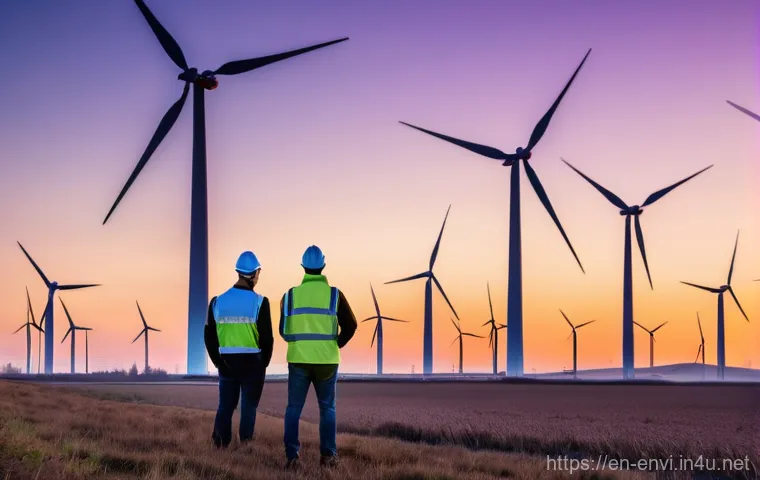
Honestly, the sheer volume of opportunities opening up in environmental and sustainability fields is mind-blowing, isn’t it? It feels like every other company, from small startups to massive corporations, is scrambling to meet new ESG standards and make a real impact. This isn’t just about feel-good marketing anymore; it’s about robust business strategy and compliance. I’ve personally seen how much more weight a resume carries when it’s backed by a solid certification. It instantly tells potential employers that you’re not just interested, you’re *invested* in understanding the intricacies of sustainable practices and environmental regulations. It’s like having a secret handshake into the industry’s most sought-after roles. Plus, let’s be real, staying current with the latest trends and legislation is a full-time job in itself, and these programs are designed to keep you sharp.
Why Certifications Matter More Than Ever
Back in the day, a general degree might have been enough, but things have dramatically changed. Today’s employers aren’t just looking for “green experience”; they want certified practitioners who truly grasp frameworks, anticipate regulatory shifts, and know how to align environmental goals with business objectives. I’ve heard directly from hiring managers that these credentials give candidates a significant competitive edge, often translating into higher salaries and better career advancement opportunities. We’re talking about a potential median salary increase of over $27,000 annually for those with certain sustainability certifications. It’s not just a piece of paper; it’s a testament to your commitment to ongoing learning and staying ahead in a rapidly evolving field, showing you’re capable of driving positive change within an organization.
Finding Your Niche in the Eco-Economy
The beauty of the green economy is its vastness. There’s a spot for everyone, whether your passion lies in renewable energy, environmental policy, sustainable finance, or something completely different. The trick is to identify where your skills can make the biggest splash. I always encourage people to think about what genuinely excites them and then look for certifications that deepen that specific expertise. For instance, if you’re a finance wizard, diving into ESG certifications could be your calling. If you’re more hands-on, perhaps a green building credential is the way to go. These specialized programs allow you to carve out a unique career path that perfectly aligns with your passions, making your work not just a job, but a genuine contribution to a better planet.
Boosting Your Expertise in Renewable Energy
The renewable energy sector is practically booming, and it’s not slowing down anytime soon. Every time I scroll through industry news, there’s another massive solar farm or wind project being announced. It’s truly inspiring! This explosion of growth means there’s a huge demand for skilled professionals who can not only understand these technologies but also manage complex projects from start to finish. I’ve personally seen friends transition from traditional engineering roles into renewable energy project management, and the difference in their job satisfaction is palpable. They’re literally building the future! Getting certified here doesn’t just look good on a resume; it equips you with the practical skills to make a tangible impact on reducing our carbon footprint and securing a sustainable energy future.
Solar and Wind Power Project Management
Think about it: who manages the installation of those massive wind turbines or sprawling solar panel arrays? Project managers with specialized knowledge, that’s who! Certifications like the Renewable Energy Professional (REP™) from the Association of Energy Engineers (AEE) or a Professional Certificate in Renewable Energy Project Management are absolutely critical. These programs teach you everything from core project management principles, risk assessment, and policy understanding to the nuances of specific renewable technologies. When I first looked into this, I was amazed at how much goes into planning and executing these projects, from site selection to financing and even community engagement. Having this credential shows employers you’re ready to tackle these challenges head-on and deliver successful clean energy initiatives.
Energy Efficiency and Auditing Essentials
It’s not just about generating new energy; it’s also about using what we have smarter. Energy efficiency is a cornerstone of sustainability, and I genuinely believe it’s one of the most impactful areas to work in. Think about all the energy wasted in inefficient buildings or industrial processes! Becoming a Certified Energy Manager (CEM) or earning a Green Building Engineer (GBE) certification can position you as an invaluable asset to any organization looking to cut costs and reduce their environmental impact. These certifications delve into energy auditing, power generation systems, carbon reduction strategies, and even financial justification for renewable projects. It’s all about finding those hidden inefficiencies and turning them into real savings, both for the company and for the planet. I’ve met so many professionals who’ve found immense satisfaction in optimizing energy use and making a tangible difference.
Becoming a Sustainability Strategy Guru
When I talk to my network, one of the areas that consistently comes up as high-growth is sustainability strategy. It’s not enough for companies to just *say* they’re green; they need a concrete, measurable plan. This is where sustainability strategists, analysts, and managers step in. They’re the architects of a company’s eco-conscious future, translating lofty goals into actionable steps and ensuring real-world impact. It’s a role that requires a blend of business acumen, environmental knowledge, and a knack for communication. I’ve always been fascinated by how these professionals can influence entire organizations to adopt more responsible practices, and the demand for their skills is only going up.
Corporate Social Responsibility and Reporting
With investors and consumers increasingly demanding transparency, corporate social responsibility (CSR) and sustainability reporting have moved from the periphery to the core of business operations. Certifications like the Global Reporting Initiative (GRI) Certified Sustainability Professional or the Certified Sustainability Practitioner program from CSE are fantastic for this. They equip you with the expertise to communicate a company’s sustainability performance and financial health to stakeholders, using standardized frameworks. I’ve personally seen how much pressure companies are under to deliver transparent sustainability reports, and professionals with this expertise are in high demand for leadership roles in ESG strategy and corporate responsibility. It’s about telling a compelling story, backed by data, about how a business is contributing positively to the world.
Life Cycle Assessment Mastery
Understanding the full environmental impact of a product or service, from raw material extraction to disposal, is incredibly powerful. This is where Life Cycle Assessment (LCA) comes in, and having a certification in this area, like from the American Center for Life Cycle Assessment, can be a game-changer. It’s about looking at the entire “life” of something and identifying opportunities to reduce its environmental footprint at every stage. I’ve always found this fascinating because it pushes us beyond just thinking about the immediate impact and encourages a holistic view. Professionals with LCA skills are invaluable for companies striving for genuine sustainability, helping them innovate greener products and processes and giving them a competitive edge in a market that increasingly values eco-conscious design.
Mastering Environmental Compliance and Auditing
Let’s be honest, regulations can be a bit of a maze, right? But in the environmental sector, navigating that maze is absolutely crucial. Environmental compliance and auditing professionals are the guardians who ensure that businesses operate within legal and ethical boundaries, minimizing their environmental impact and avoiding costly penalties. It’s a high-stakes job, and I’ve seen firsthand how a meticulous auditor can prevent major headaches for a company. The peace of mind that comes from knowing you’re operating responsibly is priceless, and these certifications are designed to build exactly that kind of trust and expertise.
ISO 14001: The Global Standard
If there’s one certification that screams “environmental management system” it’s ISO 14001. Becoming an ISO 14001 Lead Auditor is incredibly valuable for anyone serious about environmental compliance. This certification teaches you how to implement and audit environmental management systems, ensuring organizations adhere to international environmental standards. I’ve found that companies worldwide recognize and respect this standard, making professionals with this credential highly sought after. It’s not just about ticking boxes; it’s about building a systematic approach to environmental protection that’s recognized globally. It provides a robust framework that, when implemented correctly, really makes a difference to a company’s environmental performance and reputation.
Hazardous Waste Management Expertise
Handling hazardous waste safely and responsibly is non-negotiable, and it requires specialized knowledge. Certifications like the Certified Professional in Waste Management (CPWM) or a Waste Management Certificate are essential for professionals involved in waste minimization, pollution prevention, and the proper handling, storage, and disposal of hazardous and non-hazardous waste. These programs cover everything from federal regulations like RCRA (Resource Conservation and Recovery Act) to voluntary standards and the intricacies of recycling and even zero-waste initiatives. It’s a critical field, and having this expertise not only protects the environment but also safeguards communities and helps businesses operate ethically. I’ve heard stories of environmental disasters avoided thanks to diligent waste management professionals, which really highlights the importance of this work.
Unlocking Opportunities in Green Building and Design

Okay, who else gets excited by seeing new green buildings pop up in their city? I definitely do! It’s amazing how much innovation is happening in sustainable architecture and construction. Green building certifications are a huge part of this movement, setting benchmarks for energy efficiency, water conservation, and healthy indoor environments. I’ve always been fascinated by how design choices can profoundly impact our planet and our well-being. Pursuing credentials in this area means you’re not just designing structures; you’re building a healthier, more sustainable future, one eco-friendly building at a time.
LEED and WELL: Benchmarks for Green Spaces
When it comes to green building, LEED (Leadership in Energy and Environmental Design) is pretty much a household name. Offered by the U.S. Green Building Council (USGBC), it’s a globally recognized certification that addresses everything from sustainable sites and water efficiency to energy and atmosphere. Then there’s the WELL Building Standard, which takes things a step further by focusing specifically on human health and well-being within buildings. I mean, who doesn’t want to work or live in a building that actively contributes to their health? Becoming a LEED Green Associate or a WELL Accredited Professional gives you the skills to design, construct, and operate buildings that are not just environmentally sound but also promote the well-being of their occupants. It’s about creating spaces that truly thrive.
Sustainable Site Development and Infrastructure
Green building isn’t just about the structure itself; it’s also about how it fits into the broader environment. This is where sustainable site development and infrastructure come into play. Certifications like the Envision Sustainability Professional focus on larger infrastructure projects, ensuring they are designed and built with environmental and social responsibility in mind. It’s about minimizing disturbance to natural habitats, managing stormwater runoff effectively, and even considering how a development impacts local ecosystems. I’ve found that this holistic approach is gaining so much traction because it recognizes that individual buildings don’t exist in a vacuum. It’s about creating entire communities and infrastructure that work *with* nature, not against it, which is incredibly powerful.
Driving Change Through Water and Waste Management
Water, as we all know, is life. And managing our waste efficiently is paramount for a clean, healthy planet. These aren’t exactly glamorous fields, but they are absolutely essential, and the professionals working in them are the unsung heroes of sustainability. I’ve often thought about how much we take these services for granted until something goes wrong. With increasing populations and climate change impacting water availability, expertise in these areas is becoming more critical than ever. It’s a chance to make a direct, tangible difference to public health and environmental quality, and that’s something I find incredibly rewarding.
Advanced Water Resource Management
From drought-prone regions to areas facing increased flooding, water issues are complex and multifaceted. This is why certifications in Advanced Water Resource Management are so vital. Programs like the Certified Water Resources Manager (CWRM) from the American Water Works Association (AWWA) or those focusing on Integrated Catchment and Receiving Water Modelling teach you how to manage water supplies sustainably, address water quality issues, and implement conservation techniques. I’ve seen how these professionals are at the forefront of tackling some of the most pressing environmental challenges, from developing smart sensor technologies for adaptive planning to navigating complex water laws and regulations. It’s about ensuring that everyone has access to clean, safe water, now and in the future.
Circular Economy and Waste Reduction Strategies
The old “take, make, dispose” model is simply unsustainable. Enter the circular economy – a game-changing concept that focuses on minimizing waste and maximizing resource use. Certifications focusing on circular economy principles and waste reduction strategies are incredibly impactful. These programs teach you how to design products for longevity, encourage reuse and repair, and implement advanced recycling systems. I’ve always been a huge advocate for conscious consumption, and seeing how professionals are designing systems to practically eliminate waste is truly inspiring. It’s about shifting our entire mindset from linear to cyclical, creating a future where waste is a resource, not a problem. This is where innovation truly meets environmental stewardship, making a huge difference in how we interact with our planet.
The Financial Edge: ESG and Sustainable Investing
Alright, let’s talk money, because honestly, green initiatives need greenbacks to thrive! The world of finance is undergoing a massive transformation, with Environmental, Social, and Governance (ESG) factors now playing a pivotal role in investment decisions. It’s not just about profits anymore; it’s about profitable *and* responsible investments. This shift has created an entire new frontier for finance professionals who understand how to assess and integrate ESG considerations. I’ve personally observed how much importance investors are placing on a company’s ESG performance, and it’s clear that this isn’t a fleeting trend; it’s the new standard.
Understanding ESG Analysis and Reporting
Being able to analyze a company’s environmental impact, social responsibility, and governance practices is a seriously valuable skill right now. Certifications like the CFA Institute Certificate in ESG Investing, the EFFAS Certified ESG Analyst (CESGA), or the GARP Sustainability and Climate Risk (SCR) Certificate are highly sought after. These programs dive deep into integrating ESG factors into investment analysis, understanding sustainability disclosure, and navigating the complex regulatory landscape. They teach you how to assess a company’s broader impact on society and the environment, not just its bottom line. I can tell you from experience, professionals with these credentials are in incredibly high demand, with salaries for ESG-certified individuals often surpassing their non-certified peers.
Impact Investing and Green Finance
Beyond traditional ESG analysis, there’s a growing movement towards impact investing – actively directing capital towards companies and projects that generate measurable, positive social and environmental impact alongside financial returns. This is where things get really exciting for those of us who want our money to do good! While there isn’t one single “Impact Investing” certification that rules them all, many of the broader ESG and sustainable finance certifications touch upon these principles. For example, some programs offered by the International Association for Sustainable Economy (IASE) focus on fostering the knowledge and skills for ESG professionals, which naturally extends into impact investing. It’s about being able to identify viable green projects, understand the financial mechanisms behind them, and truly make a difference with investment decisions. Imagine being able to fund renewable energy projects, sustainable agriculture, or eco-friendly startups – that’s the power of green finance!
Here’s a quick overview of some compelling certifications that are genuinely making waves in the environmental world:
| Certification Name | Issuing Body | Key Focus Areas | Target Professionals |
|---|---|---|---|
| CFA Institute Certificate in ESG Investing | CFA Institute | Integrating ESG factors into investment analysis, responsible investment approaches. | Finance professionals, investment managers, analysts. |
| LEED Green Associate | U.S. Green Building Council (USGBC) | Green building principles, sustainable design, construction, and operation. | Architects, engineers, construction managers, real estate professionals. |
| Certified Energy Manager (CEM) | Association of Energy Engineers (AEE) | Energy auditing, efficiency strategies, renewable energy technologies, cost savings. | Energy managers, engineers, facilities professionals. |
| Certified Environmental Auditor (CEA) | National Registry of Environmental Professionals (NREP) | Environmental compliance, risk audits, regulatory knowledge (CAA, CWA, RCRA, etc.). | Environmental consultants, auditors, compliance managers. |
| Certified Sustainability Practitioner (CSE) | Center for Sustainability and Excellence (CSE) | Corporate sustainability strategies, ESG reporting, CSR, leadership in sustainability. | Sustainability managers, ESG strategists, corporate responsibility professionals. |
글을 마치며
Whew! What a journey we’ve been on, exploring the incredible landscape of green certifications. I genuinely hope this deep dive has sparked some ideas and ignited your passion for making a real difference. It’s clear to me, and I bet to you too, that these specialized credentials aren’t just fancy titles; they’re genuine game-changers that open doors to fulfilling careers and empower us to be true agents of change. So, whether you’re just starting out or looking to pivot, remember that investing in your expertise in the green economy is one of the smartest moves you can make right now. Let’s build a sustainable future, together!
알아두면 쓸모 있는 정보
1. Always start by identifying your true passion within the green sector. Knowing what genuinely excites you will make the learning process much more enjoyable and lead you to the right certification path.
2. Don’t be afraid to connect with professionals already working in your desired green field. Their insights on specific certifications, career trajectories, and industry trends can be absolutely invaluable.
3. Look into the various learning formats available for certifications – some offer self-paced online courses, while others have intensive bootcamps. Find one that fits your learning style and schedule best.
4. Remember that certifications often come with continuing education requirements. Factor this into your long-term plan to ensure you remain current and competitive in your chosen area.
5. Actively showcase your certifications! Update your LinkedIn profile, add them to your resume, and talk about the skills you gained during interviews. They are powerful indicators of your commitment and expertise.
중요 사항 정리
To sum it all up, the green economy is booming, and specialized certifications are your golden ticket to thriving within it. They offer a significant competitive edge, often leading to higher earning potential and more impactful roles. From renewable energy and sustainable finance to environmental compliance and green building, there’s a niche for everyone. These credentials validate your expertise, build trust with employers, and ultimately empower you to contribute meaningfully to a healthier planet and a more sustainable future.
Frequently Asked Questions (FAQ) 📖
Q: Which sustainability certifications are making the biggest impact on careers right now?
A: From what I’ve observed and researched, there are a few certifications that really stand out in today’s job market, especially as we head further into 2025.
For anyone interested in the built environment, the LEED Green Associate certification from the U.S. Green Building Council is a fantastic starting point.
It’s become a gold standard for understanding green building practices and seriously boosts your marketability for roles focused on sustainable design and construction.
If your passion lies in corporate responsibility and finance, the ESG (Environmental, Social, and Governance) certifications are absolutely soaring in demand.
Credentials like the CFA Institute Certificate in ESG Investing, the GARP Sustainability and Climate Risk (SCR) Certificate, and the EFFAS Certified ESG Analyst (CESGA) are becoming essential for finance professionals.
They demonstrate expertise in integrating ESG factors into investment analysis, which is huge as companies increasingly prioritize ethical and sustainable practices.
Beyond these, for broader sustainability leadership, the Certified Sustainability Professional (CSP) or the ISSP Sustainability Excellence Associate (SEA) can provide a comprehensive understanding of corporate sustainability strategies.
These are often great for those looking to manage overarching sustainability initiatives within an organization. It really depends on your specific career path, but these are definitely the ones I see opening the most doors and adding the most value.
Q: How do these certifications actually help me get a job or advance my career in sustainability?
A: This is a question I hear a lot, and for good reason! Investing in a certification is a big decision. From my perspective, these certifications are far more than just fancy titles on your resume; they’re genuine career accelerators.
First off, they scream “credibility” to potential employers. In a field like sustainability, which is constantly evolving, having a certification proves you’re up-to-date with the latest trends, frameworks, and regulations.
It shows you’re committed and have a validated skill set. Companies are actively seeking professionals with green skills, and data even suggests that candidates with sustainability expertise are hired significantly more often.
Think of it this way: when I’m looking at applications, someone with a LEED GA or an ESG certificate immediately tells me they understand the specifics of green building or sustainable finance, respectively, which is a massive differentiator.
Beyond just getting hired, these credentials often lead to higher salaries—some reports even indicate ESG professionals can earn 20-30% more. They also open up new avenues for career progression, especially into specialized roles like ESG analysts, sustainable investment managers, or environmental compliance officers.
It’s about showing you’re not just interested, but truly capable and knowledgeable.
Q: In which specific industries are these sustainability certifications most in demand right now?
A: It’s fascinating how sustainability has permeated almost every sector, but some industries are definitely leading the charge when it comes to demanding certified professionals.
Based on current trends and job market observations, I’d say the Financial Services sector is absolutely booming for ESG-certified individuals. With increasing regulatory requirements and investor pressure, banks, asset management firms, and investment companies are scrambling for experts who can integrate ESG factors into their strategies.
Next up, Green Building and Construction is a perennial powerhouse. Certifications like LEED and Green Globes are practically prerequisites for architects, engineers, and project managers working on sustainable developments.
The focus on energy efficiency and environmentally sound building practices means expertise here is golden. And let’s not forget Renewable Energy. With the global shift away from fossil fuels, there’s immense demand for project managers and engineers who understand solar, wind, and other clean energy systems.
Certifications like Project Management Professional (PMP) with a focus on renewables, or specialized Renewable Energy Professional (REP) certifications, are incredibly valuable.
Beyond these, I’m seeing a significant push in Environmental Consulting and Supply Chain & Procurement, where professionals with environmental compliance or sustainable supply chain certifications are in high demand to help companies navigate complex regulations and optimize their operations for reduced environmental impact.
It’s truly an exciting time, with opportunities expanding faster than ever across a diverse range of fields!