
Taking the Environmental Health Technician certification exam can feel like stepping into a whole new world. From mastering technical knowledge to managing time under pressure, the experience is both challenging and rewarding.
Many candidates find that practical understanding, not just theory, makes a big difference in tackling exam questions. I remember how crucial it was to balance study sessions with real-life examples to truly grasp the material.
If you’re considering this path, knowing what to expect can ease the journey significantly. Let’s dive deeper and get all the insights you need to succeed!
Understanding the Core Concepts Behind Environmental Health
Grasping the Scientific Foundations
When I first approached the exam, I realized that having a solid grasp of basic sciences like microbiology, chemistry, and toxicology was non-negotiable.
The questions often dive deep into how contaminants behave in different environments or how certain chemicals impact human health. For example, understanding the difference between bioaccumulation and biomagnification isn’t just a memorization task; it’s about visualizing how pollutants move through ecosystems.
This kind of practical understanding made it easier to tackle complex scenarios on the test. I found myself drawing mental diagrams to connect the dots rather than simply recalling facts.
Linking Environmental Policies to Practice
One of the trickier parts was interpreting environmental regulations and how they apply in real-world settings. The exam doesn’t just test your knowledge of laws but also your ability to apply them in hypothetical situations.
I remember working through practice questions that involved identifying compliance issues in water quality or hazardous waste management. Relating these policies back to everyday environmental health tasks gave me a clearer perspective.
It’s like knowing the rules of a game and then understanding how to play strategically rather than blindly following instructions.
The Importance of Risk Assessment and Management
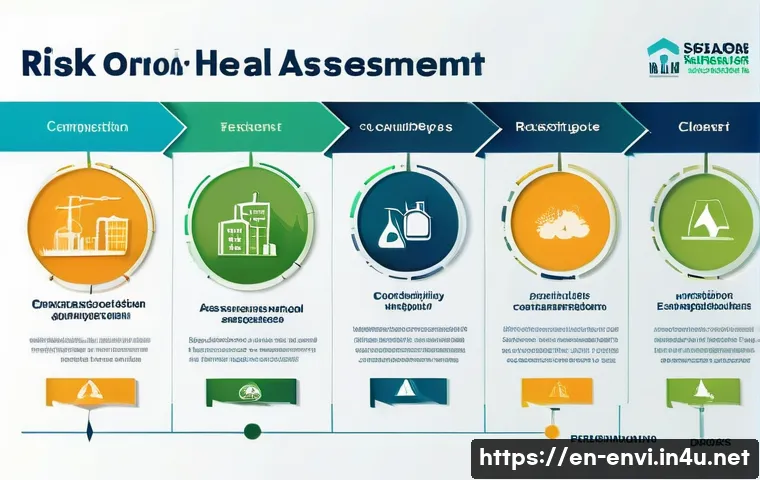
Risk assessment felt intimidating at first because it blends technical knowledge with decision-making skills. What helped me was breaking it down into steps: hazard identification, dose-response assessment, exposure assessment, and risk characterization.
Visualizing these stages and how they influence public health decisions made it less abstract. Plus, knowing that your assessment could inform preventive measures really motivated me to master this part.
I kept revisiting case studies where environmental health technicians successfully mitigated risks, which gave me practical insight and confidence.
Effective Study Strategies That Worked for Me
Balancing Theory and Hands-On Practice
Simply reading textbooks wasn’t enough. I realized the best way to internalize information was by mixing theory with practical examples. For instance, when studying water treatment processes, I didn’t just memorize steps—I watched videos, visited a local plant, and even tried explaining the process to friends.
This active engagement made the knowledge stick and made exam questions feel more approachable. If you’re preparing, I highly recommend supplementing your reading with real-life observations or simulations.
Creating a Realistic Study Schedule
Time management was a challenge until I designed a study plan that mirrored my daily routine. Instead of cramming, I divided topics into manageable chunks and assigned specific days for review and practice.
This approach reduced burnout and improved retention. I also scheduled short breaks to recharge, which made study sessions more productive. What’s crucial is consistency; even dedicating 30 minutes daily beats irregular marathon sessions.
Having a timeline with milestones kept me accountable and less stressed as the exam day approached.
Utilizing Practice Exams and Review Sessions
Mock tests were a game changer for me. They helped me get comfortable with the format and timing, which eased anxiety on the actual test day. Reviewing the answers, especially the ones I got wrong, was a goldmine for learning.
I noticed patterns in questions and identified weak spots in my knowledge. Joining study groups or online forums also added value, as discussing questions with peers exposed me to different perspectives and problem-solving methods.
Mastering Time Management During the Exam
Strategizing Question Prioritization
The clock can feel like your worst enemy during the exam, but having a plan for tackling questions can save you from panic. I learned to quickly scan through the entire test, marking easy questions to answer first and flagging tougher ones for later.
This way, I ensured I collected as many straightforward points as possible before spending time on complex problems. It’s surprising how much this small strategy can boost confidence and reduce stress mid-exam.
Maintaining Focus and Managing Stress
Sitting for hours under pressure can drain your mental stamina. I practiced mindfulness and breathing techniques in the weeks leading up to the exam, which helped me stay calm and focused.
During the test, I made it a point to pause briefly between sections to reset my mind. I also reminded myself that it’s okay not to know every answer immediately; sometimes stepping away mentally for a moment helped me return with a fresh perspective.
Keeping a positive mindset was just as important as knowing the material.
Dealing with Unexpected Questions
No matter how well you prepare, some questions will always catch you off guard. When this happened to me, I focused on breaking down the question into smaller parts and applying logical reasoning rather than panicking.
Drawing from similar topics or related knowledge often helped me make educated guesses. Remember, partial credit can be a lifesaver, so don’t leave any questions blank.
The key is to stay calm and trust your preparation.

Key Environmental Health Topics to Prioritize
Water and Air Quality Control
These two areas form the backbone of environmental health. Knowing how contaminants affect drinking water, wastewater treatment, and air pollution control measures is essential.
I found that understanding the principles behind filtration, disinfection, and emission standards gave me a solid foundation to answer scenario-based questions.
For example, knowing the difference between point and non-point source pollution helped clarify regulatory approaches in my mind.
Hazardous Waste and Chemical Safety
Handling hazardous materials safely is a critical responsibility for environmental health technicians. The exam often tests your knowledge of classification, labeling, storage, and disposal protocols.
I spent extra time reviewing Material Safety Data Sheets (MSDS) and emergency response procedures, which made the questions more intuitive. Plus, being familiar with common industrial chemicals and their risks helped me quickly identify correct answers during the exam.
Occupational Health and Disease Prevention
Workplace hazards and their impact on health are frequent topics. I appreciated how the exam integrated biological, chemical, and ergonomic hazards with preventive strategies.
Studying real-world case studies about workplace outbreaks or injury prevention made this topic less abstract. It also highlighted the importance of communication and training in environmental health roles, which I believe is often overlooked in traditional study materials.
Practical Tips to Enhance Exam Day Performance
Preparing Your Materials and Environment
The night before, I made sure to gather all necessary documents, identification, and allowed tools to avoid last-minute stress. Choosing comfortable clothing and knowing the test center location also contributed to a smoother experience.
Arriving early gave me time to settle in and mentally prepare. Small details like these can significantly influence your mindset and readiness.
Nutrition and Hydration Strategies
Fueling your brain is often underestimated. I opted for a balanced breakfast rich in protein and complex carbs to maintain steady energy levels. Staying hydrated but not overly so helped avoid distractions during the test.
Avoiding heavy, greasy foods beforehand prevented sluggishness. I also carried a light snack and water bottle, which was a lifesaver during breaks to keep my focus sharp.
Adopting a Positive Mindset
Approaching the exam with confidence rather than fear can change your whole experience. I reminded myself that the exam was a chance to demonstrate what I had learned, not a judgment of my worth.
Visualizing success and positive outcomes helped me stay motivated. Even when faced with tough questions, I kept telling myself that persistence and calm problem-solving would get me through.
This mindset shift was probably my biggest secret weapon.
Summary of Study Focus Areas and Time Allocation
| Topic | Recommended Study Time | Key Focus Areas | Tips |
|---|---|---|---|
| Water & Air Quality | 30% | Pollution control, treatment processes, standards | Use diagrams & case studies for clarity |
| Hazardous Waste & Chemicals | 25% | Classification, safety protocols, emergency response | Review MSDS and real incident reports |
| Occupational Health | 20% | Hazards identification, prevention, workplace safety | Study workplace case studies & prevention strategies |
| Risk Assessment & Management | 15% | Hazard identification, exposure, risk characterization | Break down steps and apply to scenarios |
| Environmental Policies | 10% | Regulations, compliance, legal applications | Practice applying laws in case questions |
글을 마치며
Preparing for an environmental health exam requires a well-rounded approach that blends scientific knowledge with practical application. By understanding core concepts, managing time effectively, and adopting a positive mindset, you can significantly improve your performance. Remember, consistent effort and real-world engagement make all the difference. Stay focused, trust your preparation, and approach the exam with confidence.
알아두면 쓸모 있는 정보
1. Regularly reviewing case studies can deepen your understanding of how environmental health principles apply in real situations.
2. Practice exams are invaluable for familiarizing yourself with question formats and identifying knowledge gaps early.
3. Incorporating mindfulness or relaxation techniques helps maintain focus and reduce anxiety during exam preparation and on test day.
4. Creating visual aids like diagrams or flowcharts can improve retention of complex processes such as risk assessment or pollutant pathways.
5. Engaging in group discussions or study forums exposes you to diverse viewpoints and problem-solving approaches, enriching your learning experience.
중요 사항 정리
Mastering environmental health exams hinges on balancing theoretical knowledge with practical insights. Prioritize understanding key topics like water and air quality, hazardous waste management, and occupational health by connecting them to real-world applications. Efficient time management during both study and the exam itself reduces stress and enhances accuracy. Lastly, maintaining a calm and positive attitude empowers you to tackle challenging questions confidently and make the most of your preparation.
Frequently Asked Questions (FAQ) 📖
Q: What topics should I focus on to prepare effectively for the Environmental Health Technician certification exam?
A: From my experience, the exam covers a broad range of subjects including environmental regulations, sanitation principles, water quality, waste management, and hazard control.
It’s essential to not only memorize key facts but also understand practical applications. For instance, knowing how to identify potential contamination sources or interpret water testing results can be a game-changer.
I found that combining textbook study with real-world case studies helped me retain information much better and feel confident when answering scenario-based questions.
Q: How can I manage my time efficiently during the exam to avoid feeling overwhelmed?
A: Time management is definitely one of the trickiest parts. What worked for me was doing a quick initial scan of the entire exam to gauge which sections seemed straightforward and which required more thought.
Tackling easier questions first helped build momentum and saved time for tougher ones later. Also, keeping an eye on the clock without obsessing over it was crucial—I set mental checkpoints to ensure I didn’t spend too long on any single question.
Practicing with timed mock exams beforehand really helped me develop this rhythm.
Q: Are there any tips for balancing study sessions with practical experience to enhance understanding?
A: Absolutely! I learned that studying in isolation isn’t enough. Whenever possible, try to get hands-on experience, whether through internships, volunteering, or even shadowing a professional in the field.
This real-world exposure made abstract concepts click for me. For example, seeing how inspections are conducted or how environmental hazards are identified in the field gave me context that no textbook could provide.
Even if direct experience isn’t feasible, watching videos or reading detailed case reports can bridge that gap and make your study time more impactful.