
Hey there, future environmental leaders! If you’re anything like me, the thought of tackling that environmental engineering certification exam probably brings a mix of excitement and a whole lot of “where do I even start?” dread.
I’ve recently navigated that very path, from deciphering complex regulations to mastering those tricky calculations, and I’ve got a treasure trove of insights to share.
Believe me, with the right approach, it’s totally achievable. Ready to conquer it? Let’s dive deep into my personal journey and all the tips I picked up along the way to ensure your success!
Oh, hey again! So glad you’re sticking with me on this deep dive into environmental engineering certification. I know, I know, it feels like a mountain to climb, but trust me, the view from the top is absolutely worth it.
My own journey was a bit of a rollercoaster, from those moments of sheer panic staring at a complex mass balance equation to the triumphant fist-pump when I finally cracked a tricky wastewater treatment problem.
It wasn’t just about the books; it was about building a mindset, too. I want to share every single nugget of wisdom I gathered, so you don’t have to stumble through the same pitfalls I did.
Let’s get real about what it takes to not just pass, but to truly master this beast of an exam and propel your career forward!
Cracking the Code: Understanding the Environmental PE Exam Structure

When I first looked at the sheer volume of material for the Environmental PE exam, my head spun a bit. It felt like trying to drink from a firehose! But here’s the deal: the first step to conquering any big challenge is understanding your opponent. For us environmental engineers, that means getting cozy with the NCEES PE Environmental exam specifications. This isn’t just a casual glance; it’s about dissecting it. The exam is computer-based, lasting a grueling 9 hours, including breaks and a tutorial, and throws 80 questions your way. Seriously, 80 questions in 8 hours of actual exam time means you’ve got to be efficient! Knowing this upfront dramatically changed my study strategy. Instead of just passively reading, I started practicing timed problems almost immediately to build up my speed and accuracy. It’s a mix of multiple-choice and alternative item types (AITs), which can be anything from drag-and-drop to fill-in-the-blank, so don’t expect a purely traditional test experience. I learned early on that just knowing the theory wasn’t enough; you had to be able to apply it under pressure.
Navigating the Exam Day Logistics
Let’s talk logistics because these little details can totally throw you off if you’re not prepared. The exam is administered year-round at NCEES-approved Pearson VUE test centers, which is a blessing because it offers flexibility, but also means you can’t procrastinate! One thing that caught me off guard was the electronic reference handbook. You won’t be allowed to bring your own materials into the exam room, which is a huge shift if you’re used to having your dog-eared textbooks by your side. NCEES provides a searchable PDF handbook with linked chapters. My pro tip here? Get familiar with that digital handbook well before exam day. Practice searching through it, bookmarking key sections, and understanding its layout. I spent weeks just doing practice problems *only* using the NCEES handbook, and it made all the difference. Knowing where to quickly find a specific equation or a unit conversion without wasting precious minutes felt like having a superpower. Plus, there’s a 50-minute scheduled break. Use it! Seriously, step away, stretch, grab a snack. Your brain needs a reset.
Decoding the Core Content Areas
The PE Environmental exam covers a broad spectrum of topics, from water resources and waste management to air quality and even some environmental ethics. Based on my experience and what I’ve heard from countless others, you’re going to see a significant chunk of questions related to water-related topics, including water treatment systems and hydrology, as well as waste management, particularly solid waste. Risk assessment also pops up quite a bit, so definitely don’t skimp on that. I found myself really digging into Chapters 5, 6, and 7 of a good environmental engineering textbook for water topics, and Chapter 3 for risk assessment. And here’s a crucial point: unit conversions are everywhere! It’s tempting to think you can just look them up, but memorizing some of the common ones will save you so much time. I had a little cheat sheet I’d review daily just for units. It felt tedious, but those seconds add up, and every second counts when you’re facing 80 questions in eight hours. It’s truly a test of both breadth and depth, so you can’t afford to have major blind spots.
Crafting Your Battle Plan: Strategies for Effective Study
Alright, so you know what you’re up against. Now, how do you actually prepare for this monster? My biggest takeaway from this entire process was that a well-thought-out “battle plan” is non-negotiable. This isn’t something you can just wing. For my third attempt (yes, third!), I dedicated six months and aimed for 200 hours of study. Now, that number will be different for everyone – some folks swear by less, others need more – but the key is to be realistic with yourself. Don’t compare your study hours to anyone else’s; focus on what *you* need. I started slow, gently easing back into the material, and then ramped up the intensity as the exam date loomed closer. By the final month, I was studying before and after work, even on weekends. It was intense, but I knew what was at stake.
The Power of Practice Problems and Mock Exams
If there’s one piece of advice I can shout from the rooftops, it’s this: work problems, problems, and more problems! Seriously, it’s not enough to just read and understand the concepts. You need to get your hands dirty with calculations and scenarios. I devoured every practice problem I could find. I bought the NCEES practice exam – and please, don’t make my mistake of starting it just a few days before the test! That practice exam is gold because it gives you the most realistic feel for what the actual questions look like. I also borrowed prep materials from colleagues and even signed up for an exam prep course, which, thankfully, my company reimbursed me for. The PPI learning hub, for instance, offers extensive practice problems and full-length simulated exams that are designed to mimic the actual NCEES exam experience. It truly helps in assessing your knowledge and building confidence for exam day. I found that working through these under timed conditions was invaluable for getting my pacing right.
Leveraging Your Resources Wisely
Beyond practice problems, effective resource management is crucial. Remember, you’ll have the NCEES electronic reference handbook. But don’t just rely on that. I found that having a solid review book, like those by Lindeburg or Schneiter, was immensely helpful for foundational understanding and working through example problems. However, a word of caution: some older practice books might contain problems or solutions that don’t quite align with the current computer-based exam format or the provided reference manual. I definitely encountered a few wind-rose problems in a practice book that were just plain wrong, which was super frustrating until I cross-referenced with more reliable sources. What I really found indispensable were my old class notes and even my environmental engineering textbooks. Sometimes, going back to the source material to clarify a tricky concept just clicks in a way a review book can’t. And if you’re like me and struggle with certain topics, online forums like Engineer Boards were a lifesaver for getting specific questions answered and just feeling that sense of camaraderie.
Mindset Matters: Cultivating Mental Fortitude
Let’s be honest, studying for this exam is a marathon, not a sprint. There were days I felt completely overwhelmed, like I was trying to memorize an encyclopedia. But truly, your mental game is just as important as your technical knowledge. I remember faking a smile when a coworker bragged about passing with minimal effort after I’d been grinding for months. Don’t fall into that comparison trap! Everyone’s journey is different, and you need to craft a plan that works for *you*. If you’re retaking the exam, please, please don’t be hard on yourself. Many, many of us have had to retake it multiple times, and that’s perfectly okay. The key is to learn from previous attempts, focus on strengthening your weaknesses, and keep that goal firmly in sight.
Managing Stress and Preventing Burnout
One of the biggest challenges I faced was managing the stress. The pressure to pass, the demanding study schedule – it can really take a toll. My biggest tip? Schedule breaks, and stick to them! Just like you wouldn’t run a marathon the day after a 10-miler, you need to give your brain a rest before exam day. Choose a date to stop studying a few days before the exam and honor it. I also found that finding a quiet, optimal study environment was crucial. For me, that meant a quiet corner of my local library, but for others, it might be a bustling coffee shop. You know yourself best, so create a space where you can truly focus. And definitely don’t take the exam during major life events if you can help it! Trying to juggle a move or a big personal upheaval with exam prep is a recipe for disaster. Prioritize your mental well-being; it’s an investment in your success.
The Unseen Benefits Beyond the Badge
While the immediate goal is to pass the exam and get that coveted PE license, I quickly realized the benefits extended far beyond just having those two letters after my name. Obtaining a PE license demonstrates a high level of competence and allows you to practice independently, take on higher responsibility roles, and significantly enhances your credibility with clients and employers. I’ve seen firsthand how it opens doors to consulting opportunities, senior project management positions, and specialized fields like hazardous waste management or sustainability consulting. It’s not just a piece of paper; it’s a tangible validation of your expertise and a commitment to professional excellence. I’ve found that it boosts earning potential too – licensed PEs often command higher salaries. But more than that, it truly solidifies your standing as a leader in the field, ready to tackle complex environmental challenges and design impactful solutions for a sustainable future. It’s an investment in yourself that keeps paying dividends for years to come, offering a sense of accomplishment and opening up a whole new world of career possibilities.
Navigating the Post-Exam Landscape: What Comes Next?
The week after the exam was, frankly, a blur of anxiety and second-guessing. I remember feeling it was 50/50 whether I’d passed or failed, which made for an incredibly stressful wait until those results finally dropped. But once that glorious “PASS” appeared, a huge weight lifted. However, getting the results isn’t the absolute final step. You’ll still need to complete any state-specific licensing requirements, which often involve submitting your exam results along with other documentation to your state’s licensing board. Each state has its own nuances, so make sure you’ve checked with yours well in advance of even taking the exam. It truly is a journey with several milestones, not just one finish line. But once you’re officially licensed, that’s when the real fun begins – the opportunities start rolling in faster than you’d expect, and you’ll be able to put all that hard-earned knowledge to work in ways you probably hadn’t even imagined.
The Real-World Impact of Certification
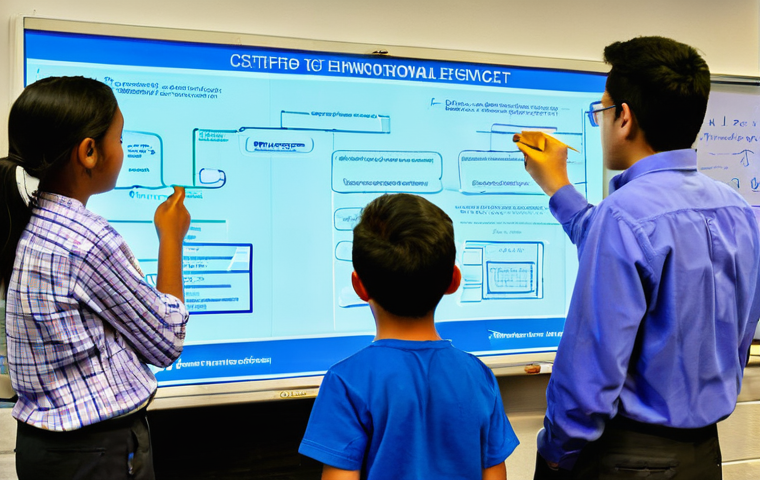
Beyond the personal accomplishment, achieving PE certification dramatically alters your career trajectory. For me, it unlocked doors to projects that I previously couldn’t lead, allowing me to take on more complex designs and provide expert testimony, which felt incredibly empowering. It truly positions you as an authority in the field, not just someone with a degree. The demand for skilled environmental engineers is only growing, driven by heightened public awareness of environmental concerns and the critical need for solutions to issues like water and air quality. Having that PE license means you can directly impact these challenges, whether it’s designing innovative wastewater treatment systems, advising on regulatory compliance, or leading efforts to reduce carbon footprints. My network expanded exponentially after getting my license; suddenly, I was being approached for collaborations and leadership roles that weren’t on my radar before. It’s not just a boost to your resume; it’s a profound shift in how you’re perceived and the level of influence you can wield in shaping a more sustainable world.
Considering Other Professional Credentials
While the PE license is undoubtedly the gold standard for many environmental engineers, it’s worth exploring other certifications that can further specialize your expertise and enhance your career. I’ve seen colleagues pursue credentials like the Certified Environmental Engineer (CEE) from the American Academy of Environmental Engineers (AAEE), which recognizes advanced knowledge and leadership. Other valuable certifications might include a Certified Sustainability Professional (CSP) if your focus leans towards sustainability initiatives and corporate responsibility, or even a Professional Wetland Scientist if you’re heavily involved in wetland design and permitting. These aren’t necessarily alternatives to the PE but rather complementary badges that can deepen your niche. For example, some civil engineers also pursue certifications like the Registered Environmental Manager or Certified Environmental Specialist to demonstrate knowledge of environmental health and safety management and EPA regulations. Each adds a layer to your professional profile, showing a dedication to continuous learning and specialized expertise, which is incredibly attractive to employers and clients looking for specific skill sets in an ever-evolving field. Think of it as building your personal “environmental expertise stack.”
Common Hurdles and How to Leap Over Them
Let’s be real: this journey isn’t all smooth sailing. There were moments I felt like I was hitting a brick wall, especially when grappling with complex environmental regulations that seem to change constantly. Keeping up with evolving laws like the Clean Air Act or the Resource Conservation and Recovery Act (RCRA) felt like a full-time job in itself, let alone trying to integrate them into project designs. And then there are the state-specific regulations – talk about adding another layer of complexity! It requires not just technical expertise but also a good deal of adaptability and a commitment to continuous learning. I found that joining professional organizations and subscribing to industry newsletters really helped me stay on top of legislative updates. Also, don’t underestimate the challenge of balancing environmental protection with economic development. It’s a tightrope walk, often requiring innovative, cost-effective solutions that don’t compromise on environmental integrity. These are the real-world problems you’ll face, and the certification process, while tough, implicitly prepares you for navigating these intricate challenges in your day-to-day work.
Navigating Tricky Exam Questions
One particular challenge on exam day that many, including myself, encounter is the sheer breadth of question types. It’s not just straightforward calculations; you’ll face conceptual questions, multiple-choice, and those alternative item types (AITs) that can sometimes feel like a puzzle. I specifically remember an “extraordinarily poorly worded statistics question” that made me want to pull my hair out, and I flagged several others I wasn’t completely certain about. The key here, I discovered, is not to get stuck. Make a quick judgment call, flag it, and move on. You can always come back if you have time. Another hurdle for some is the perception of difficulty; some find the actual exam’s calculations simpler than practice tests, while others find the opposite. My advice: do *so many* practice problems that the calculations become muscle memory. This way, you can devote more brainpower to deciphering the trickier conceptual or AIT questions. And truly, don’t be afraid to take your 50-minute break. I used mine to re-center and come back with fresh eyes, and it made a huge difference in tackling the second half of the exam.
| Study Phase | Key Activities | My Personal Insight |
|---|---|---|
| Phase 1: Foundation Building (Months 1-2) | Review core concepts, re-read textbooks, create study notes. | Don’t rush this! A solid foundation makes everything else easier. I realized I had forgotten more than I thought from school. |
| Phase 2: Deep Dive & Practice (Months 3-4) | Work through practice problems by topic, familiarize yourself with the NCEES handbook. | This is where the real learning happens. Use the NCEES handbook religiously during practice to get comfortable. |
| Phase 3: Simulation & Refinement (Months 5-6) | Take full-length practice exams, identify weak areas, review solutions, focus on pacing. | The NCEES practice exam is your best friend here. Treat these like the real deal – timed and with no distractions. |
| Phase 4: Pre-Exam Wind Down (Week before) | Light review of notes/formulas, rest, prepare logistics for exam day. | Crucial for mental well-being. Stop active studying a few days before. Your brain needs to rest, not cram. |
Empowering Your Career: Long-Term Growth and Specialization
Earning that environmental engineering certification isn’t just about meeting a requirement; it’s a strategic move that fundamentally empowers your career for long-term growth and opens avenues for specialization that you might not have considered before. After getting my PE, I noticed a significant shift in the types of projects I was offered and the level of responsibility entrusted to me. Suddenly, I wasn’t just executing; I was conceiving, leading, and stamping designs with confidence. This credential solidifies your expertise and credibility, positioning you as a go-to expert in your niche. It’s not just about increased salary potential, which is certainly a nice perk, but more about the intellectual challenge and the ability to make a more significant impact on environmental protection and sustainability. I found myself in discussions about cutting-edge solutions for climate change mitigation and resource management, roles that required not just technical know-how but also the authority that comes with being a licensed professional.
Branching Out into Diverse Roles
The beauty of environmental engineering, especially with a PE license, is the sheer diversity of career paths it unlocks. You’re not confined to a single type of role. I’ve seen colleagues transition from traditional consulting to regulatory roles within government agencies, focusing on policy development and enforcement. Others have moved into specialized fields like designing sustainable infrastructure, focusing on green building practices, or even pioneering advanced water and wastewater treatment technologies. The certification provides a versatile foundation that allows you to pivot and adapt as the industry evolves and new environmental challenges emerge. My own journey involved a shift from primarily design-focused work to more strategic environmental impact assessments for large-scale development projects, a move that would have been far more difficult without the PE behind my name. It’s an investment in your adaptability and future-proofing your career in an ever-changing world.
Becoming a Thought Leader and Mentor
With expertise comes responsibility, and one of the most rewarding aspects of becoming a certified environmental engineer is the opportunity to become a thought leader and mentor for the next generation. I remember feeling so lost at the beginning, and having experienced professionals share their wisdom was invaluable. Now, I find myself in a position to guide younger engineers, sharing my insights on everything from navigating complex regulations to mastering those tricky calculations. This kind of mentorship not only enriches your own professional life but also strengthens the entire environmental engineering community. It’s about paying it forward and contributing to the collective knowledge base that tackles some of the world’s most pressing environmental issues. That kind of impact, beyond any paycheck, is truly priceless. It’s a chance to shape the future of our profession and, by extension, the health of our planet, which, for me, is the ultimate reward.
글을 마치며
Well, my friends, we’ve covered a lot of ground today, haven’t we? From dissecting the exam structure to crafting your personal study battle plan, and even diving into the profound impact this certification has on your career, it’s been a journey. I truly hope that by sharing my own ups and downs, you feel more prepared and less overwhelmed. Remember, the path to becoming a licensed Environmental PE is challenging, no doubt, but it’s incredibly rewarding. It’s more than just an exam; it’s about solidifying your place as a leader capable of making a real difference in the world. So, go forth, conquer that exam, and let your passion for environmental stewardship shine!
알아두면 쓸모 있는 정보
1. NCEES Resources are Gold: Always start with the official NCEES practice exam and their electronic reference handbook. Familiarize yourself with them early; they are your most authentic guides to the real test. Seriously, don’t underestimate how much time you’ll save on exam day if you already know where everything is in that digital handbook. It’s like having a superpower!
2. Strategic Study Plan: Don’t just study; plan your study. Allocate specific hours, prioritize weak areas based on the exam specifications, and stick to a realistic schedule. Six months and 200+ hours was my sweet spot, but find what works for your pace and current knowledge level. Consistency is truly more important than intensity, especially in the long run.
3. Practice Makes Perfect: Seriously, work as many problems as you can get your hands on. Concepts solidify through application, and timed practice is crucial for building speed and confidence for the actual exam. Don’t just solve them; understand *why* the solution works and identify any patterns in problem types. My biggest regret was not doing enough timed practice early on!
4. Network and Learn from Others: Don’t go it alone. Join online forums like Engineer Boards or local professional groups. Hearing others’ experiences and getting specific questions answered can be invaluable, offering both practical help and moral support. Sometimes just knowing you’re not the only one struggling makes a huge difference.
5. Prioritize Your Well-being: This is a marathon, not a sprint. Schedule regular breaks, get enough sleep, eat well, and don’t try to cram in the final days before the exam. A rested, clear mind is your best asset on exam day, allowing you to think critically and recall information efficiently. Taking care of yourself is part of the strategy, not a luxury!
중요 사항 정리
Ultimately, passing the Environmental PE exam boils down to a few critical components: a deep understanding of the NCEES specifications, a rigorous, consistent study regimen heavy on practice problems, smart utilization of the official reference handbook, and perhaps most importantly, a resilient mindset. It’s a significant investment of time and effort, but the professional credibility, career opportunities, and personal satisfaction it unlocks are truly immense. This license isn’t just a credential; it’s a testament to your expertise, dedication, and unwavering commitment to making a tangible, positive impact on our shared environment and shaping a more sustainable future for everyone.
Frequently Asked Questions (FAQ) 📖
Q: How do I even begin to prepare for such a comprehensive exam, especially when it feels so overwhelming at first glance?
A: Oh, I totally get that feeling! Staring at the environmental engineering certification syllabus can feel like looking up at Mount Everest from the base camp – daunting, right?
When I first started, my biggest hurdle was just figuring out where to even put my first step. What genuinely helped me overcome that initial dread was breaking it down.
Instead of viewing it as one giant exam, I started to see it as a collection of smaller, manageable topics. My first move was to get my hands on the official NCEES PE Environmental Engineering Reference Handbook.
I didn’t dive deep immediately; I just skimmed through it to get a feel for the scope and the types of problems. Then, I pinpointed my personal knowledge gaps and the areas I felt strongest in.
I found that dedicating a consistent, shorter amount of time each day – say, an hour or two – was far more effective than trying to cram for eight hours on a Saturday.
It built momentum, kept the material fresh, and prevented burnout. Don’t underestimate the power of small, consistent steps and celebrating those micro-victories along the way.
It’s all about creating a study routine that genuinely works for your life, not some unattainable ideal.
Q: You mentioned ‘deciphering complex regulations’ and ‘mastering tricky calculations.’ What were your biggest challenges in these specific areas, and how did you conquer them?
A: You hit on two of my personal dragons during this journey! Regulations, oh man. It felt like trying to navigate a maze blindfolded sometimes, with all the jargon, acronyms, and cross-references.
My game-changer for regulations was moving beyond just reading them. I started creating my own simplified summaries and flowcharts for the major environmental acts – think Clean Water Act, Clean Air Act, RCRA.
Condensing the core principles into my own words, and even drawing out the process flows, made them so much more digestible and, honestly, memorable. I also found that digging into real-world examples and case studies really brought the regulations to life, making them less abstract and more applicable.
As for those tricky calculations, my initial approach was just to churn through problems, which was okay but not truly effective. The real breakthrough for me was focusing on the why behind each formula.
Instead of just memorizing, I made sure I understood the underlying principles and what each variable truly represented. I’d even take the time to re-derive some of the fundamental equations from simpler ones, which solidified my understanding.
And a golden tip I wish I knew earlier: practice setting up your calculator efficiently! Knowing how to quickly input and retrieve data under pressure is a minor thing that saves huge amounts of time and mental energy during the actual exam.
Q: If you had to pick one single most effective study resource or strategy that contributed the most to your success on the environmental engineering certification exam, what would it be?
A: That’s a fantastic question, and honestly, it’s tough to narrow it down to just one, as so many pieces fit together. But if I absolutely had to pick the secret sauce, it would be consistently engaging in timed, full-length practice exams under realistic conditions.
And when I say realistic, I mean it! Find a quiet spot, set a timer for the full exam duration, put away all distractions, and treat it exactly like the real thing.
It’s one thing to know the material inside and out, but it’s an entirely different beast to apply that knowledge effectively and efficiently when the clock is ticking and the pressure is on.
My first few practice exams were a bit of a disaster – I’d run out of time, or get stuck on a problem I knew I should be able to solve. But through these simulated runs, I learned my pacing, identified my true weak spots under pressure, and developed strategies for tackling those multi-part problems without getting bogged down.
It also taught me the invaluable skill of knowing when to make an educated guess and move on. It wasn’t just about reviewing the material; it was about training my mental endurance and fortitude for the actual marathon.
Trust me, it’s where all your hard work truly comes together and gets tested, and it made all the difference for me.
📚 References
Wikipedia Encyclopedia
구글 검색 결과
구글 검색 결과
구글 검색 결과
구글 검색 결과
구글 검색 결과