Hey there, fellow change-makers! Have you ever scrolled through your feed, seeing all these headlines about climate change, resource scarcity, and our planet needing a serious helping hand, and thought, “What can *I* actually do?” I totally get it.

For years, I felt that tug, a deep desire to contribute, but the sheer scope of “environmental work” felt overwhelming. It wasn’t until I dove headfirst into understanding the incredibly diverse landscape of green careers that I truly saw the light.
From the groundbreaking engineers designing our sustainable cities of tomorrow to the passionate conservationists protecting endangered species, and even the data analysts helping corporations become more eco-friendly (yes, really!), the opportunities are truly mind-boggling.
We’re living in an era where sustainability isn’t just a buzzword; it’s a rapidly expanding industry shaping our future, creating jobs that are not only impactful but genuinely rewarding.
What a time to be alive, right? Forget everything you thought you knew about environmental jobs being solely about hugging trees (though we love tree huggers!); today’s roles are dynamic, innovative, and constantly evolving with the latest tech and policy shifts.
I’ve personally seen how a shift towards a circular economy model is opening up entirely new avenues for product designers and supply chain experts. It’s truly incredible how many different skill sets are now vital to building a greener world.
So, if you’ve been dreaming of a career that aligns with your values and truly makes a difference, you’re in for a treat. Let’s dive deeper and uncover the exciting world of environmental job roles and their real-world examples!
Engineering Our Sustainable Future
Hey, ever thought about how we’re actually going to build this green future we keep talking about? It’s not just wishful thinking; it’s happening, and engineers are right at the heart of it.
We’re seeing a massive boom in demand for environmental engineers, civil engineers with a sustainability focus, and even chemical engineers who are rethinking materials from the ground up.
These are the folks designing everything from incredibly efficient wastewater treatment plants to smart, energy-independent buildings that actually give back to the grid.
I remember chatting with a civil engineer at a networking event last year, and she was passionately describing a project where they were transforming an old industrial site into a vibrant, eco-friendly urban park with integrated water purification systems.
It wasn’t just about making it look pretty; it was about creating a functional, sustainable ecosystem right in the middle of a bustling city. The level of detail and foresight required for these projects is truly astounding.
If you love solving complex problems and seeing your designs come to life in a way that truly benefits the planet, this is definitely an area to explore.
We need brilliant minds to innovate our way out of old, carbon-heavy infrastructure and into a world powered by clean, green solutions.
Building Eco-Friendly Infrastructure
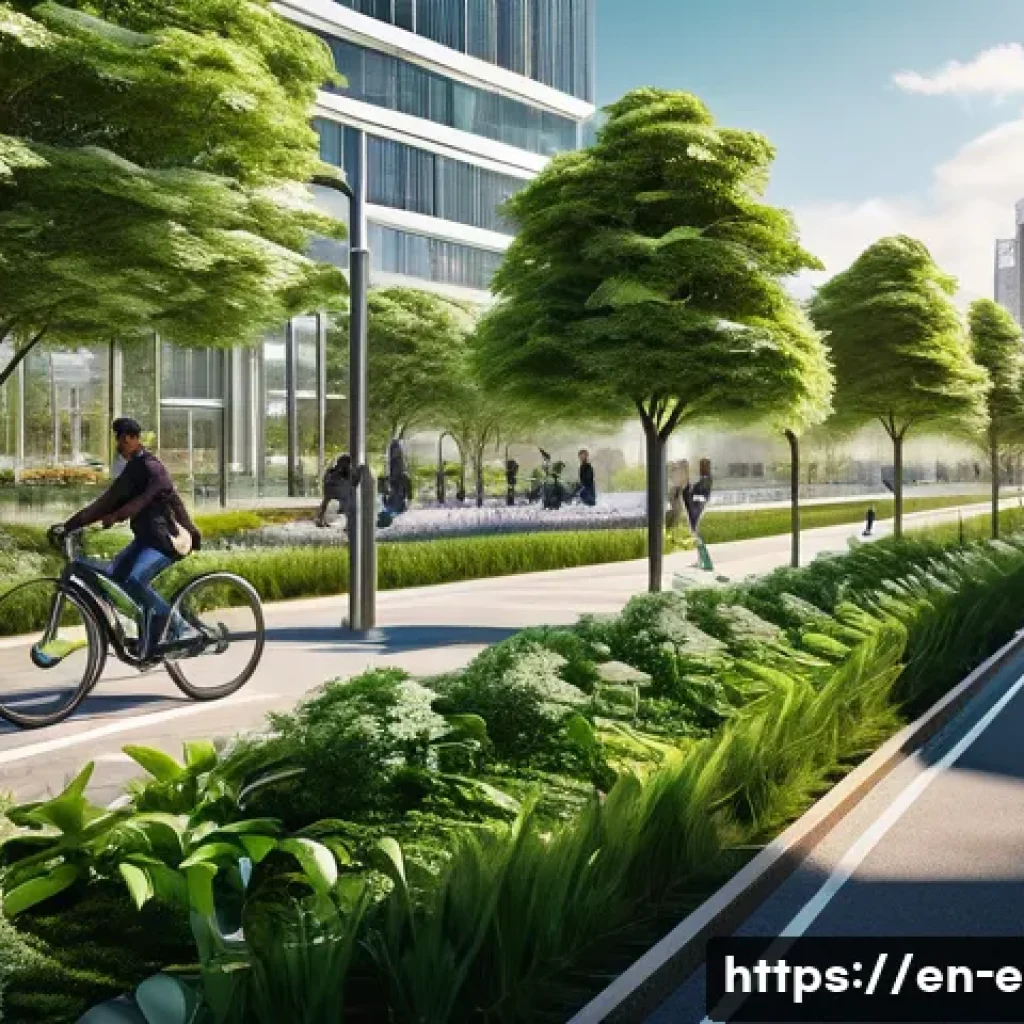
This realm is all about reimagining the physical world around us. Think about sustainable urban planning, where cities are designed to minimize their footprint, maximize green spaces, and integrate efficient public transport from the ground up.
Professionals here work on everything from developing smart grid technologies that optimize energy distribution to designing buildings that produce more energy than they consume.
I’ve personally been fascinated by the rise of green building certifications like LEED, and seeing how architects and engineers are collaborating to create structures that are not only beautiful but also incredibly kind to the environment.
It’s a holistic approach, considering everything from the materials used to the building’s lifecycle and even its eventual decommissioning.
Renewable Energy Pioneers
Then there are the trailblazers in renewable energy. These are the people harnessing the power of the sun, wind, and even the earth itself. We’re talking about solar engineers optimizing panel efficiency, wind turbine technicians keeping our massive turbines spinning, and geothermal specialists tapping into the planet’s heat.
It’s a field that’s constantly evolving, with new technologies emerging all the time. I’ve met some incredible individuals who started out in traditional energy sectors and completely pivoted, bringing their skills to help accelerate the clean energy transition.
The sheer scale of these projects, like massive offshore wind farms or sprawling solar installations in the desert, is truly awe-inspiring, and knowing that you’re directly contributing to reducing our reliance on fossil fuels is incredibly motivating.
Protecting Our Natural World: The Conservation Frontlines
If your heart beats for wildlife and untouched landscapes, then a career on the conservation frontlines might just be your calling. This isn’t just about admiring nature; it’s about actively fighting to preserve it, often against incredible odds.
Think about the dedicated wildlife biologists trekking through remote forests to monitor endangered species, or marine conservationists diving into our oceans to protect fragile coral reefs and marine life from pollution and overfishing.
It’s incredibly hands-on work, often requiring a deep understanding of ecology, animal behavior, and human impact. I’ve always admired the sheer grit and passion these professionals possess.
My friend, who works for a non-profit focused on protecting grizzly bears in Montana, tells me stories that sound straight out of a documentary. From tracking movements with GPS collars to educating local communities on coexistence, their work is crucial.
It’s not always glamorous, often involving long hours, challenging conditions, and navigating complex political landscapes, but the impact these individuals have on safeguarding our planet’s biodiversity is immeasurable and truly inspiring.
It really makes you appreciate the raw beauty and complexity of our natural world, and the vital role these dedicated individuals play in keeping it healthy.
Safeguarding Biodiversity and Ecosystems
This path is for those who are passionate about the delicate balance of ecosystems. Roles here include zoologists, botanists, ecologists, and even environmental educators who inspire the next generation of conservationists.
These experts conduct crucial research, monitor populations, and develop strategies to protect habitats and species from various threats, from climate change to habitat loss.
Imagine spending your days studying rare bird species in their natural habitat or developing breeding programs for critically endangered plants. The work is diverse and often involves collaborating with local communities, governments, and other scientific organizations to achieve shared conservation goals.
Restoration and Land Management
Beyond protecting what’s left, there’s a huge focus on restoring degraded ecosystems. This is where ecological restoration specialists, park rangers, and land managers come in.
They work to bring damaged habitats back to life, whether it’s replanting forests, restoring wetlands, or cleaning up contaminated land. It’s incredibly rewarding to see an area that was once barren or polluted transform into a thriving ecosystem.
My own experience volunteering on a local river cleanup project gave me a small taste of how much effort goes into these initiatives, and how important it is to manage our land responsibly to prevent further degradation.
These roles often combine scientific knowledge with practical, hands-on work and strong community engagement skills.
Making Business Green: Sustainability in the Corporate World
You might think environmental jobs are all about dirt under your fingernails and muddy boots, but honestly, some of the most impactful work is happening in boardrooms and corporate offices.
This is where sustainability professionals are transforming how businesses operate, from the ground up. We’re talking about sustainability consultants advising major corporations on reducing their carbon footprint, to dedicated Corporate Social Responsibility (CSR) managers overseeing ethical sourcing and waste reduction initiatives.
It’s fascinating because it merges environmental ethics with hardcore business strategy. I’ve seen firsthand how companies that genuinely embrace sustainability aren’t just doing it for good PR; they’re finding it actually boosts efficiency, saves money, and attracts top talent who want to work for value-driven organizations.
There’s a real art to convincing a company that being green isn’t just a cost, but an investment with huge returns, both financially and reputationally.
These roles require a unique blend of business acumen, environmental knowledge, and incredible communication skills to bridge the gap between financial goals and ecological imperatives.
It’s a field that’s rapidly expanding as more and more consumers and investors demand accountability from the brands they support.
Driving Corporate Environmental Responsibility
These professionals are the champions of change within organizations. They develop and implement sustainability strategies, set ambitious environmental targets, and ensure compliance with ever-evolving regulations.
Think about the person responsible for a company’s annual sustainability report, meticulously tracking everything from energy consumption to water usage and waste generation.
They’re often collaborating across departments, from manufacturing to marketing, to embed sustainable practices into every aspect of the business. It’s a dynamic role that requires a strategic mindset and the ability to influence stakeholders at all levels.
Sustainable Supply Chains and Operations
This area focuses on the nitty-gritty details of how products are made and delivered. Supply chain sustainability managers work to ensure that every step, from raw material extraction to manufacturing and distribution, is as eco-friendly and ethical as possible.
This could mean sourcing materials from responsible suppliers, optimizing logistics to reduce emissions, or implementing circular economy principles to minimize waste.
I recently read about a fashion brand that completely revamped its supply chain to use only organic cotton and ensure fair labor practices, and the positive ripple effect was incredible.
These roles are about identifying inefficiencies and innovating solutions that benefit both the planet and the company’s bottom line.
Shaping Policy and Communities for a Better Tomorrow
Sometimes, the biggest change comes not from individual actions, but from systemic shifts driven by smart policies and collective community efforts. This is where environmental policy analysts, lawyers, and community organizers truly shine.
They’re the ones working tirelessly to craft legislation, advocate for regulations, and mobilize communities around critical environmental issues. It’s incredibly challenging work, often requiring deep negotiation skills, a thorough understanding of scientific data, and the ability to communicate complex ideas to diverse audiences.
I once attended a local town hall meeting where an environmental justice advocate passionately presented data on how pollution disproportionately affects low-income communities.
Her ability to translate scientific facts into a compelling human story was powerful, leading to tangible changes in local policy. These roles are about power and influence, using legal frameworks and grassroots movements to create lasting, positive change.
It’s a field for those who aren’t afraid to engage in complex debates and who believe in the power of collective action to steer society towards a more sustainable future.
Advocacy and Environmental Law
Environmental lawyers and policy advocates play a critical role in safeguarding our natural resources and holding polluters accountable. They work on everything from drafting new environmental protection laws to litigating cases against companies that violate regulations.
This field demands a keen legal mind, a strong ethical compass, and the ability to navigate intricate legal systems. Beyond the courtroom, policy analysts conduct research, evaluate existing policies, and propose new solutions to environmental challenges at local, national, and even international levels.
Their work often forms the backbone of environmental protection efforts.
Community Engagement and Education
Bringing about environmental change often starts at the local level, engaging and educating communities. Environmental educators develop programs and materials to raise awareness about ecological issues, while community organizers mobilize groups to take action on local environmental concerns.
I’ve volunteered for a local conservancy group, and seeing how effective passionate individuals can be in rallying neighbors for a park cleanup or advocating for better recycling programs is truly inspiring.
These roles are about building relationships, fostering a sense of stewardship, and empowering people to make a difference in their own backyards and beyond.
Innovating for Impact: Tech and Data in Environmental Solutions
Okay, so let’s talk about something a bit more futuristic, but incredibly present right now: the intersection of technology, data, and environmental solutions.
If you’re a tech enthusiast, a coding wizard, or someone who loves diving deep into data, there’s a massive and growing space for you in the green sector.
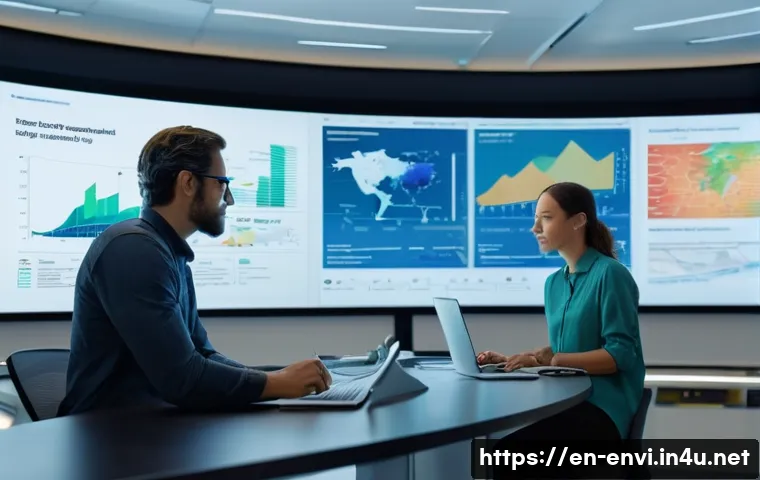
We’re talking about GIS (Geographic Information Systems) specialists mapping biodiversity hotspots, environmental data analysts using AI to predict climate patterns, and software developers creating apps that help consumers track their carbon footprint.
It’s truly incredible to see how cutting-edge technology is being leveraged to monitor, understand, and ultimately solve some of our planet’s most pressing problems.
I recently learned about a project where machine learning algorithms are being used to identify illegal deforestation in real-time by analyzing satellite imagery – how cool is that?
This field requires a blend of technical expertise and a passion for environmental causes. You’re not just writing code or analyzing spreadsheets; you’re building tools and deriving insights that directly inform conservation efforts, disaster preparedness, and sustainable resource management.
It’s a testament to how diverse and interdisciplinary environmental work has become, proving that every skill set, even those typically associated with Silicon Valley, has a vital role to play in building a greener future.
Leveraging Technology for Environmental Monitoring
This involves using advanced tools like drones, satellite imagery, remote sensors, and even AI-powered cameras to collect vast amounts of data about our environment.
GIS specialists map critical habitats, track changes in land use, and help plan conservation interventions. Environmental technologists develop and maintain these systems, ensuring that scientists and policymakers have accurate, real-time information to make informed decisions.
It’s like having a superpower to see the invisible changes happening across the globe, allowing us to respond quickly and effectively to environmental threats.
Data-Driven Insights for Sustainability
With all this data, there’s a massive need for people who can make sense of it. Environmental data scientists and analysts are crucial for uncovering trends, building predictive models, and providing actionable insights.
They might analyze climate data to forecast extreme weather events, study consumption patterns to advise on waste reduction strategies, or evaluate the effectiveness of conservation programs.
I’ve seen some brilliant data visualizations that make complex environmental issues incredibly clear and compelling, which is so important for public engagement and policy advocacy.
This area is perfect for those who love crunching numbers and translating them into meaningful stories.
The Circular Economy Revolution: Redesigning How We Live
Alright, let’s talk about something that’s rapidly gaining traction and fundamentally rethinking how we interact with products: the circular economy. This isn’t just about recycling; it’s about designing waste *out* of the system from the very beginning.
It’s a paradigm shift from our traditional “take-make-dispose” linear model to one where products are designed for durability, reusability, and ultimately, to be repurposed or regenerated.
This opens up a whole new world of job opportunities for creative thinkers and problem-solvers. Think about sustainable product designers who are rethinking packaging to be entirely compostable, or supply chain experts who are figuring out how to retrieve and reuse components from old electronics.
I recently bought a pair of running shoes that are completely modular – when one part wears out, you can send it back to be recycled and get a replacement, rather than tossing the whole shoe.
That blew my mind! These roles are about innovation, foresight, and a commitment to creating a future where resources are valued and kept in use for as long as possible.
It’s incredibly exciting because it challenges us to fundamentally redesign our systems, creating jobs that are not only impactful but also incredibly inventive and forward-thinking.
Product Design for Longevity and Reusability
In a circular economy, designers play a pivotal role. They’re not just making things look good; they’re ensuring products are durable, repairable, and easy to disassemble for recycling or reuse.
This means considering the entire lifecycle of a product, from the materials chosen to its end-of-life options. Industrial designers, materials scientists, and product development engineers are all vital here, pushing the boundaries of sustainable innovation.
They’re constantly asking, “How can this product be better for the planet, without sacrificing quality or functionality?”
Waste Management and Resource Recovery
This is where the rubber meets the road (or rather, where the waste gets sorted and given a new life!). Waste management specialists, recycling program managers, and resource recovery engineers are essential for closing the loop.
They design efficient recycling systems, explore new ways to recover valuable materials from waste streams, and even work on converting waste into energy.
I’ve seen some incredible innovations in this space, like companies using advanced sorting technologies to reclaim tiny particles of precious metals from electronic waste.
It’s a critical area for anyone who wants to directly contribute to reducing landfill waste and maximizing our planet’s finite resources.
| Job Role | Key Responsibilities | Essential Skills | Impact |
|---|---|---|---|
| Environmental Engineer | Design solutions for air/water pollution, waste management, renewable energy systems | Problem-solving, CAD, regulatory knowledge | Cleaner environment, sustainable infrastructure |
| Conservation Scientist | Research and manage natural resources, protect biodiversity | Field research, data analysis, ecological modeling | Habitat preservation, species protection |
| Sustainability Consultant | Advise businesses on eco-friendly practices, compliance, strategy | Strategic thinking, communication, industry knowledge | Reduced corporate footprint, enhanced brand |
| Urban Planner | Develop sustainable community designs, transportation, land use | GIS, policy analysis, community engagement | Liveable cities, efficient resource use |
| Environmental Educator | Inform and inspire communities about environmental issues | Communication, curriculum development, public speaking | Increased awareness, behavioral change |
글을마치며
Whew, what a journey we’ve had exploring the incredible world of sustainable careers! It’s truly mind-blowing to see how many diverse paths there are for making a real difference. Whether you’re a tech wizard, a nature lover, a policy wonk, or a business strategist, there’s a vital role waiting for you in building a greener, more equitable future. My hope is that this deep dive has sparked some inspiration and shown you just how impactful and rewarding these fields can be. The planet needs all of us, and finding your niche in this revolution is one of the most exciting adventures you can embark on.
알아두면 쓸모 있는 정보
1. Network, Network, Network! Attend industry events, join online communities, and connect with professionals on LinkedIn. You never know where your next opportunity might come from, and insights from those already in the field are invaluable.
2. Upskill and Educate Yourself: Consider certifications, online courses, or even a specialized degree in areas like environmental engineering, sustainable business, or renewable energy. Staying current with the latest innovations is key.
3. Volunteer Your Time: Gaining hands-on experience through volunteering with local conservation groups, environmental non-profits, or community clean-up initiatives can provide practical skills and a clearer sense of direction.
4. Think Globally, Act Locally: Even small, local projects contribute to the larger goal. Look for ways to get involved in your own community, whether it’s advocating for sustainable policies or participating in restoration efforts.
5. Embrace Interdisciplinary Thinking: The most exciting solutions often come from blending fields. Don’t be afraid to combine your unique skills, whether it’s coding with conservation or business acumen with ecological restoration. The future is all about collaboration!
중요 사항 정리
The green economy isn’t just a trend; it’s a massive and growing sector offering countless opportunities for those passionate about making a positive impact. From engineering sustainable infrastructure and protecting biodiversity to revolutionizing corporate practices and leveraging cutting-edge technology, there’s a place for every skill set. This dynamic field demands creativity, dedication, and a willingness to learn, promising a future that is not only environmentally sound but also incredibly rewarding for those who choose to be a part of it. The time to build a sustainable tomorrow is now, and your unique contribution is more vital than ever.
Frequently Asked Questions (FAQ) 📖
Q: What are some of these “mind-boggling” environmental job roles that aren’t just about tree-hugging, and what do they actually do?
A: Oh, this is my absolute favorite question to tackle because it truly opens up a world of possibilities! When I first started looking into green careers, I pictured park rangers and researchers – and those are incredibly vital roles, don’t get me wrong!
But what blew my mind was discovering just how diverse and frankly, cool, the field has become. We’re talking about roles like Sustainability Consultants who help massive corporations revamp their entire supply chain to be more eco-friendly, or Circular Economy Specialists who design products not for disposal, but for reuse and recycling from day one.
I even know a brilliant Renewable Energy Policy Analyst who works with governments to shape the future of our energy grid – talk about impact! Then there are Green Architects and Urban Planners who are literally designing our cities of tomorrow, making them more resilient, energy-efficient, and filled with vibrant green spaces.
And get this: Environmental Data Scientists are crunching numbers to identify patterns in climate change or predict resource depletion, providing the crucial insights we need to make informed decisions.
Seriously, if you’re into tech, design, business, or even policy, there’s a dynamic, evolving role waiting for you to make a real difference. It’s not just about what you save anymore; it’s about what you build.
Q: I’m really passionate about sustainability, but I don’t have a traditional environmental science degree. Can someone like me actually pivot into these green careers, or is it too late?
A: Absolutely not! This is one of the biggest myths I love debunking, because from what I’ve seen firsthand, the green economy thrives on diverse skill sets.
You know, I once met a former graphic designer who transitioned into creating compelling environmental campaign visuals for a non-profit – her communication skills were invaluable!
The truth is, many of these evolving roles require problem-solving, project management, communication, and analytical thinking – skills that are incredibly transferable from almost any background.
Think about it: a Marketing Specialist can help green startups reach a wider audience, an IT professional can optimize energy consumption in data centers, and a Financial Analyst can specialize in ethical investments or carbon accounting.
My advice? Don’t think about what degree you don’t have, but what unique perspective and skills you do bring to the table. Start by identifying the intersection of your current expertise and your passion for sustainability.
Look into specialized certifications, online courses, or even volunteer opportunities to build your “green resume.” You’d be amazed at how many companies are actively seeking folks with fresh eyes and a passion for change, rather than just a specific piece of paper.
It’s truly a fantastic time to pivot!
Q: Okay, this sounds amazing! But practically speaking, how do I actually find these incredible environmental job roles and make my application stand out in what I imagine is a competitive market?
A: That’s the million-dollar question, isn’t it? From my experience, the key is to be proactive and strategic. First, ditch the generic job boards for a bit and dive into specialized platforms.
Think about sites focusing on green jobs, sustainability careers, or even specific sectors like renewable energy or conservation. LinkedIn is your best friend here – follow companies that inspire you, join sustainability groups, and connect with people working in roles you admire.
Don’t be shy about sending a polite message asking for an informational interview – people love talking about their work, and those conversations often lead to unexpected opportunities.
Secondly, tailor your resume and cover letter relentlessly. Don’t just list skills; frame them in the context of environmental impact. For example, instead of “managed projects,” try “managed cross-functional projects, resulting in X% reduction of Y resource.” Show, don’t just tell, your passion and how your unique experience aligns with their green mission.
And here’s a pro tip: research the company’s sustainability report or their ESG (Environmental, Social, and Governance) initiatives. Referencing specific projects or values in your application shows you’ve done your homework and are genuinely invested.
Finally, build a network. Attend virtual conferences, local green events, or even online workshops. You never know who you’ll meet, and often, the best opportunities come through connections, not just applications.
Making yourself visible and showing genuine enthusiasm is what will truly make you shine!